
Digital Marketing Trends You Need to Know
Introduction to Digital Marketing
The modern business environment relies heavily on digital marketing to connect with audiences through online channels. By leveraging digital platforms, businesses can engage customers in real-time and create tailored experiences that align with individual preferences. Unlike traditional methods, digital marketing offers businesses the flexibility to adapt campaigns quickly based on performance data. It opens doors to innovative opportunities, utilizing tools and technologies to amplify brand visibility. Through digital marketing, companies can establish meaningful connections with their audience, using strategies designed to fit specific goals and industries.
Key Components of Digital Marketing
Digital marketing includes a range of strategies, each offering distinct advantages. Social media marketing uses platforms such as Facebook, Instagram, and Twitter to connect with users and promote products or services. Content marketing prioritizes creating valuable material designed to attract and maintain a target audience’s attention. Email marketing remains a highly effective channel for boosting conversions, with a success rate of 2.8% for B2C brands and 2.4% for B2B brands. SEO focuses on improving a site’s visibility in search results, driving organic traffic through well-optimized content. Paid advertising, such as pay-per-click (PPC) campaigns, allows businesses to target specific demographics and drive immediate results. Affiliate marketing incentivizes partners to promote products or services, providing an additional channel to reach potential customers. These components work together to build an effective digital marketing strategy tailored to specific business needs.
Benefits of Digital Marketing
Digital marketing empowers businesses to reach specific audiences with precision, offering tools to tailor campaigns based on user behavior and preferences. It enables real-time interaction, fostering stronger customer relationships and improving brand loyalty. Unlike traditional methods, digital platforms allow for immediate adjustments, ensuring campaigns remain effective and relevant. Advanced analytics provide valuable insights, helping marketers understand performance and refine their strategies. Additionally, the ability to test various approaches, such as A/B testing, ensures optimal results with minimal waste.
Challenges in Digital Marketing
Digital marketing requires staying ahead in an environment where trends and algorithms are constantly changing. Marketers must consistently adapt to shifts in consumer behavior and emerging technologies to remain effective. The rise of ad-blocking software presents another hurdle, making it harder to reach audiences through traditional digital ads. Additionally, balancing creativity with data-driven strategies can be difficult, as both are crucial for success in this space. The growing importance of mobile optimization also demands that campaigns cater to smaller screens without sacrificing user experience. Businesses face increasing pressure to provide transparency and meet ethical standards while addressing concerns about how data is collected and used.
Strategies for Effective Digital Marketing
Understanding your audience is fundamental for crafting messages that resonate and prompt action. Developing content that aligns with user interests and needs can significantly increase engagement. Social media platforms offer powerful tools for connecting with consumers, allowing businesses to create tailored campaigns that target specific demographics. Another critical strategy is the use of automation tools to streamline processes such as email marketing, freeing up time for more creative endeavors. Data analysis plays a pivotal role in identifying trends and patterns, enabling marketers to refine their approaches for maximum impact. Visual content, including videos and infographics, has proven highly effective in grabbing attention and conveying messages quickly. Additionally, optimizing websites and content for mobile devices ensures a seamless experience for users accessing information on smaller screens. Incorporating customer feedback into campaigns can also provide valuable insights into preferences and areas for improvement. By experimenting with different formats and platforms, businesses can discover what works best for their audience while maintaining flexibility to adjust as trends evolve.
Future Trends in Digital Marketing
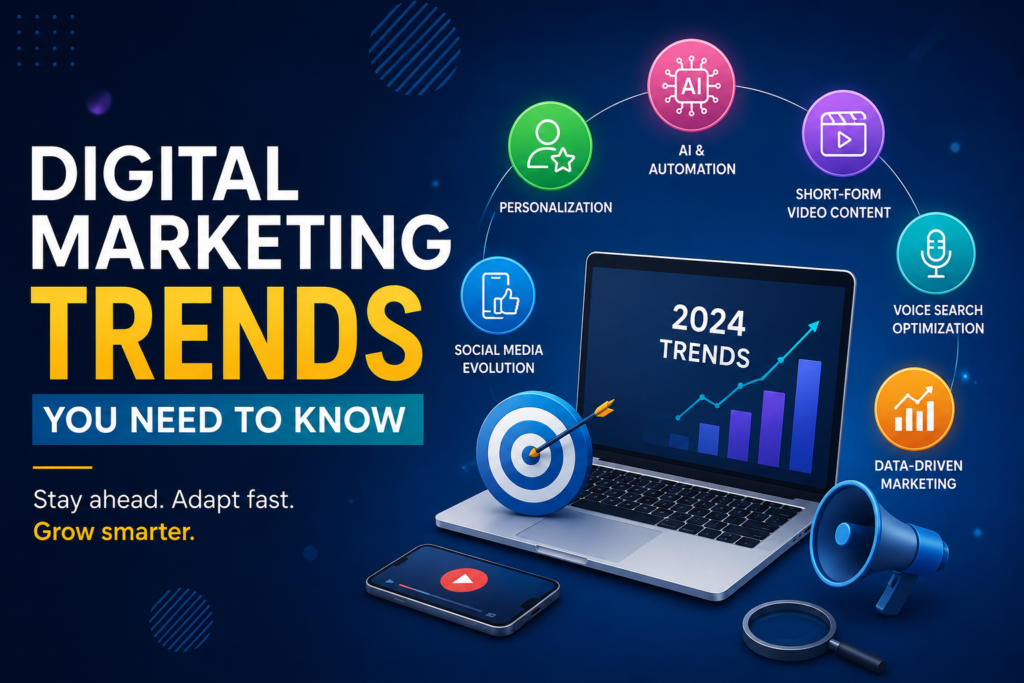
Emerging technologies are transforming how marketers approach their strategies, driving innovation and efficiency. AI is playing an increasingly significant role, helping businesses analyze data more effectively and predict customer behavior with greater accuracy. Voice search optimization is also gaining momentum as more users turn to smart devices for their queries, emphasizing the need for natural, conversational content. Augmented reality (AR) and virtual reality (VR) are opening up creative possibilities, allowing brands to provide immersive experiences that captivate audiences. Sustainability is becoming a focus for both consumers and marketers, with brands showcasing eco-friendly practices to align with customer values. Privacy-first marketing is on the rise as businesses adapt to stricter data regulations and growing concerns over consumer data usage. Blockchain technology is gaining traction for its potential in enhancing transparency and building trust in digital advertising. As these trends evolve, businesses that stay informed and flexible in adopting these advancements will gain a competitive edge in an ever-changing landscape.